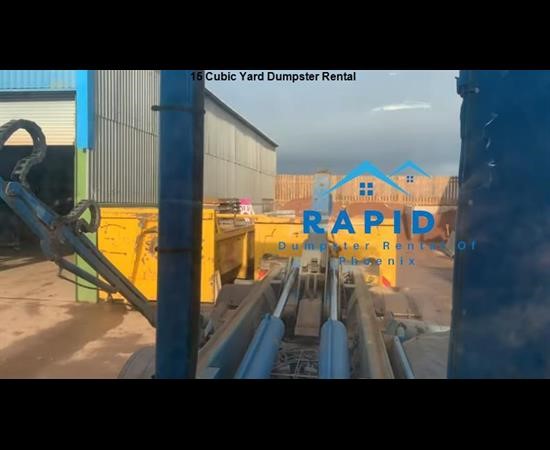
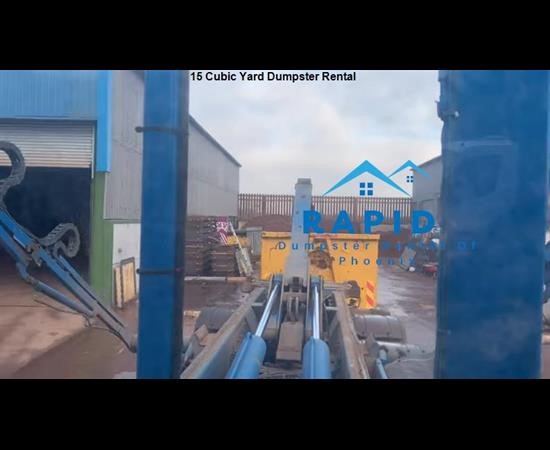
A 15-cubic yard dumpster is ideal for most residential projects. This size is typically used for small-to-medium-sized demolition projects, including garage cleanouts and additions. This dumpster is ideal for residential projects due to its small footprint. There are many sizes available for this dumpster. A 15-yard dumpster is ideal for residential projects. For larger jobs, such as construction projects, a 30 cubic yard dumpster is ideal.
A 15-yard dumpster is the next size up. This size can be the perfect choice for a smaller project. It measures approximately 14 feet in length, 8 feet wide, 4 inches high, and 4 inches high. It can hold approximately four to five pickup-beds of material. For larger projects, a 30 cubic yard dumpster is usually the best choice. A 10-yard rental is a good choice for smaller projects. However, if you have a big project in mind, a 30-yard bin might be too small for your project.
A 15-yard dumpster rental is the perfect solution for smaller projects. A 20-yard dumpster is the ideal size for small projects, such as cleaning out your basement, garage, or attic. This dumpster can even handle large-scale projects, like removing flooring and carpet from a larger home. It can hold approximately two hundred and fifty square yards of roofing shingles. A 15-yard dumpster is a great choice for most residential and commercial cleanups.
One of the first things you might be concerned about when renting a dumpster is how much weight you can put in it. This question can be confusing for many people, but it is important to understand what you can and cannot put in the container. Certain types of debris have limits. These limits vary depending on the size and shape of the bin. You can generally put as much weight into the bin as you like. You will be charged a $25-100 overage fee if you exceed this limit.
When deciding on the size of your container, consider how much weight you will be placing in it. Weight limits for dumpsters vary depending on the size of the container and the type of trash you're disposing of. Typically, weight limits for temporary dumpsters range from 4,000 to 12,000 pounds. If you exceed the weight limit, it can damage the container and make loading difficult or unsafe. Overfilling can also lead to an overage fee which will increase your final cost. The weight of construction materials can quickly add up.
Temporary dumpsters have weight limits. They can be anywhere from 4 to 12 tons depending on the type of debris that you are disposing of. Although the weight limit may vary from one provider to another, most companies will be very clear about their container weight limits. Be sure to check the dumpster's size before booking it. The weight limit is a standard guideline for dumpster size. It can be used to determine the right size for your project.
You can't place certain items in a dumpster. These items may not be accepted in your area. However, if you're in New Jersey, you can be sure that your local waste management office will be able to dispose of them safely. For more information, you can contact your local government. When it comes to garbage removal, you should always consider how to get rid of the waste properly.
If you're cleaning out a child's room, for example, you may want to consider donating the items. You can find charity drop-off locations near you to drop off gently-used toys and other items. You can also rent a dumpster to dispose of your old clothes and shoes. However, you should not throw away appliances or tires. You can donate those items, too. You won't be allowed to place them in your dumpster as they are considered hazardous.
Most people won't throw away trash they don't need to take to the dump. Most people will throw away their mattress, carpet, couch, dresser, desk and chair as well as boxes of paper. If you are cleaning out a large house, you can also take out all the cabinets, shelves, or furniture that is too big to fit in a small garbage bag. If you have a larger home or business, you can throw everything else into your dumpster.
The most common questions about dumpster rentals are "what is the smallest size?" and "how much does it cost?". While there are many different sizes available, you will often be surprised to know that the cheapest dumpster rental is often the 20-yard option. A roll-off dumpster is the best choice for small or large-scale commercial projects.
A 10 cubic yard dumpster is perfect for small projects such as cleaning out a storage space. This is especially useful if you're cleaning out a garage or other small space. The smallest dumpster size is perfect for smaller home improvement jobs like roofing, where heavy roofing shingles require a small dumpster. A 10 yard dumpster is ideal for medium-sized roofing jobs. Bin There Dump That is a favorite choice for contractors.
Besides the size of the bin you'll need, the next step is to consider the type of trash you'll be disposing of. The smallest size dumpster is ideal for a roofing project, where the roof shingles will be weighing down the dumpster. The smallest dumpster will allow you safely to dispose of your shingles without worrying about exceeding the dumpster's weight limit at the landfill. A six-yard dumpster is best for large roofing projects. A ten-yard bin will work well for roofs. If you're not sure which dumpster size is right for you, consider renting a bin from Bin There Dump That. They offer different sizes for any sized project.
There are different sizes available for dumpster rentals, but the most common one is the thirty-yard container. These containers are the most affordable to rent and can hold a wide range of debris. Then there are the larger 40-yard dumpsters, which are primarily used by contractors and large-scale home renovation projects. These are not as common as their smaller counterparts, and they are often reserved for special circumstances, such as moving or remodeling an entire house.
A 30-yard container measures ten feet in length, six feet wide and three feet tall. A container of similar size can hold up to ten cubic yard of debris. The larger dumpsters are usually the right choice for larger-scale home renovation projects or commercial building projects. These are just guidelines. You should always check the dumpster's weight limit as heavier containers will always be more expensive than smaller ones.
For most projects, a 40-yard container is a great option. It measures approximately 20 feet in length, eight feet wide, and three feet high. It is a standard size dumpster for demolition projects. It is small enough to fit through most residential driveways. It will also be the perfect size for a party or a large home renovation project. A typical size for a 30-yard dumpster is 12 feet long, 8 feet wide, and 3 feet tall.
There are several different sizes of dumpsters for different projects. First, determine how much debris your project will produce. This will help you choose the right size dumpster for the project. A ten-yard container can hold approximately ten cubic yards worth of waste. This size dumpster will hold approximately three pickup trucks worth of debris. For larger projects, a twenty-yard container can accommodate up to six pickup trucks.
The 20-yard container is typically rented for a home improvement project. The container is small enough for a driveway but large enough for large projects. A standard 30-yard container can accommodate up to 2,500 square feet of roof shingles and 300 square feet of decking material. A 40-yard container is ideal to clean out a large basement.
For the average residential-sized deck, the amount of debris to be disposed of is three to four cubic yards. A thirty-yard dumpster should be plenty for this project. Alternatively, you may require a larger container if you have a large deck or a large yard. A 30-yard container is typically the right choice for a small residential-sized deck.
Top Rated Dumpster Rental in Arizona!